Loading
Loading

 IN THEATERS FEBRUARY 17



 SCROLL
Does the constant flood of emails in your inbox threaten to overwhelm you? Does your work spill over into your evenings, your weekends, even into your dreams? Maybe you feel a twinge of envy each time you're confronted with the neighbor's new car or a friend's new home. If so, then you may be suffering from The Disease.
The symptoms are numerous and destructive: a constant feeling of heaviness and fatigue; a nagging sense that nothing we do is ever good enough; an inner emptiness we find impossible to ignore, even as we try filling it with more and more things.
Can we ever escape the grips of this ailment?
THE CLINIC
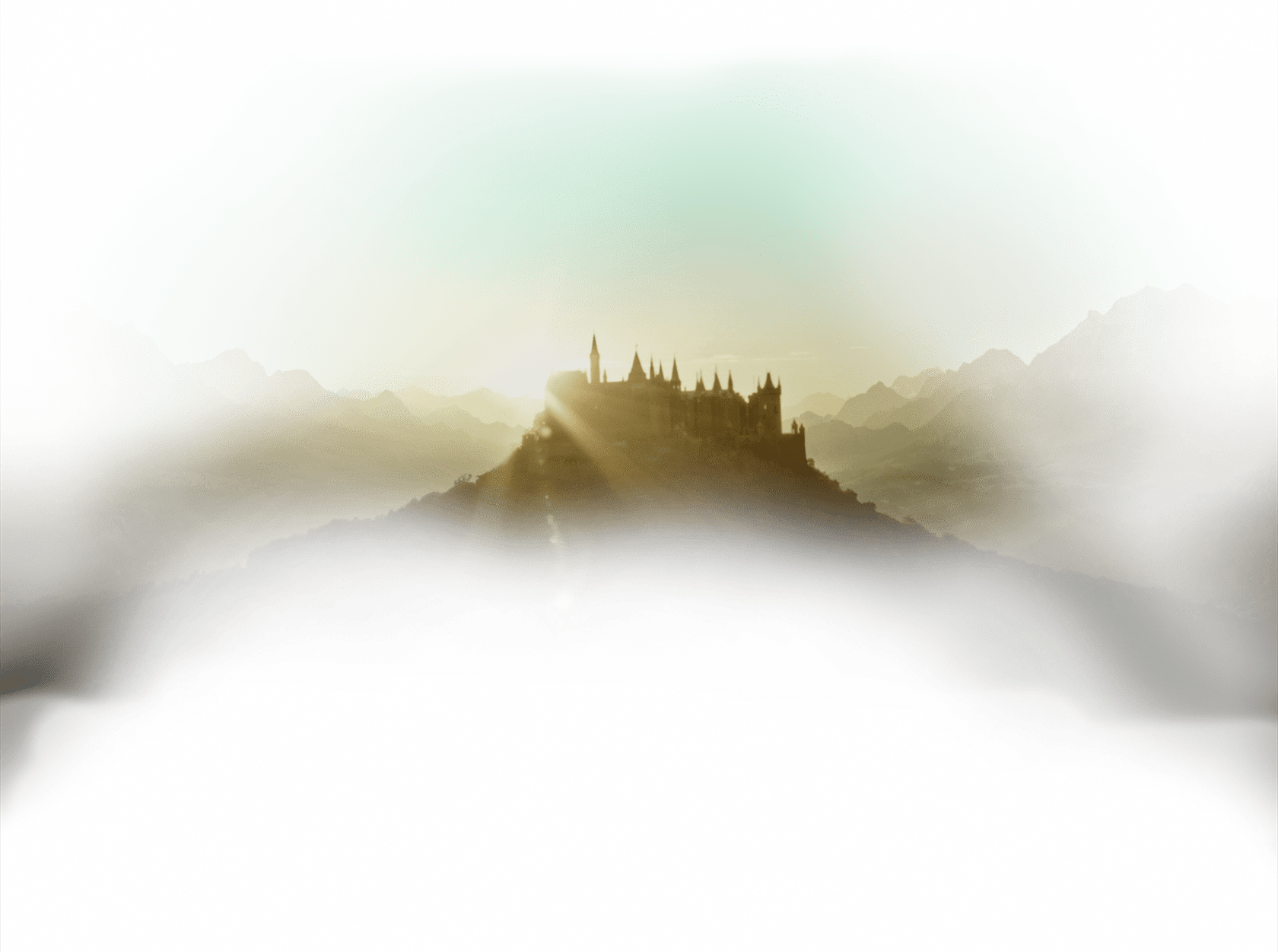
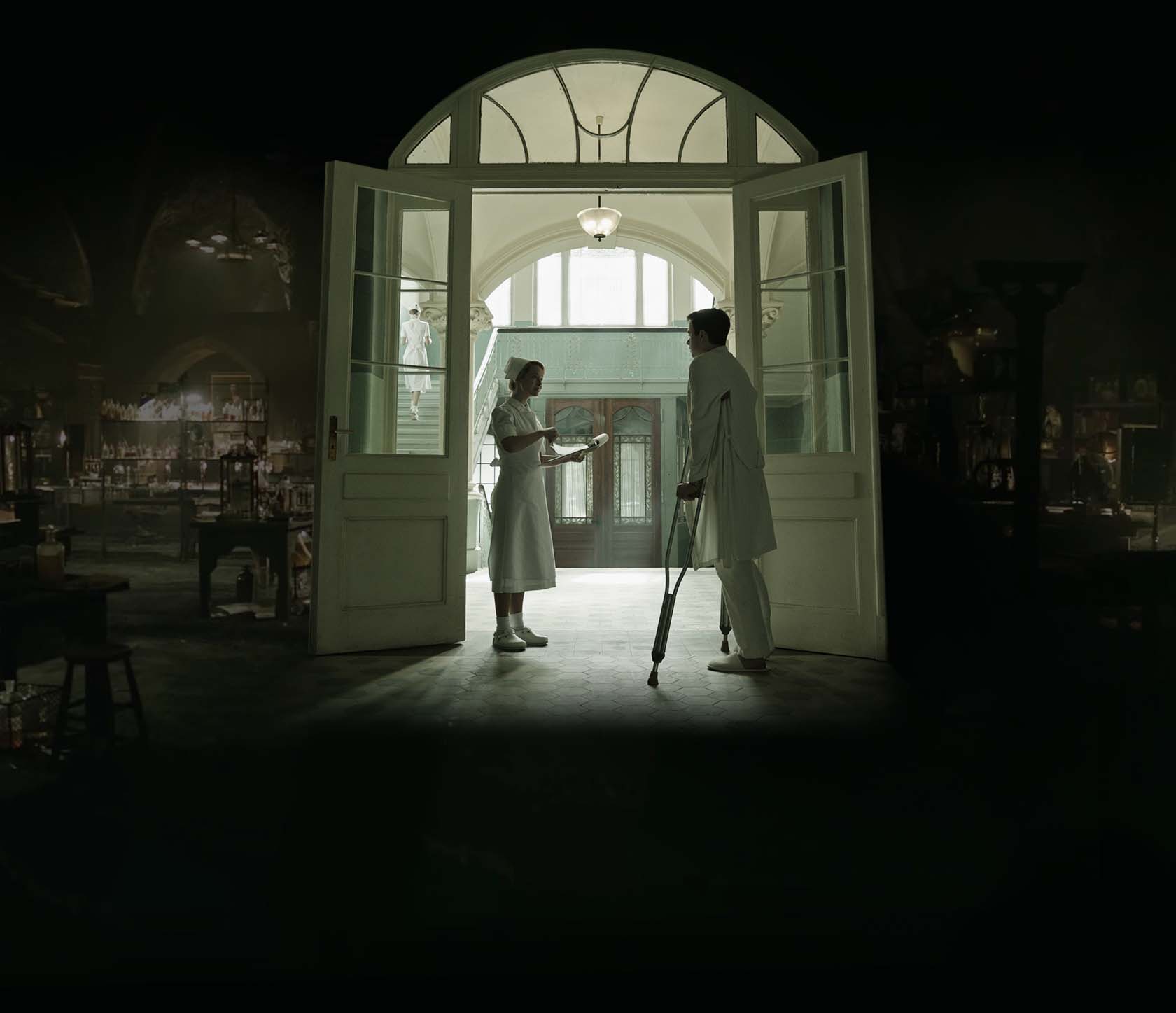
High in the Swiss Alps, there is a place that offers hope for those who are able and willing to pay. A bucolic wellness center situated on a remote mountaintop that can only be reached by a treacherous, serpentine road offers release from the chaos of modern life. There are no wi-fi, no email, no social media. In place of these 21st century distractions, a host of idyllic pleasures await: endless steam baths, afternoon massages, calisthenics in sparkling pools. Every year, dozens of accomplished, overworked denizens of the chaotic world arrive, in the hopes of being cured.
It is here where Mr. Pembroke (Harry Groener), the CEO of a top Manhattan financial firm has recently embarked on a desperate quest for Wellness. But Pembroke has failed to return to work after many weeks of being away, causing Lockhart (Dane DeHaan), a colleague who is similarly afflicted but too centered on his own suffering to make an effort to bring him back.
THE TREATMENT
Like so many others, Pembroke was driven to the clinic by its promise of healing or, as the facility's director Volmer (Jason Isaacs) describes it, the "process of purification," that only he can provide. The key to the cure lies in an imposing, windowless room, hidden away from the clinic's manicured lawns where patients recline in lounge chairs sipping hot tea. There, a pair of sensory deprivation chambers await the endless cycle of patients who are brought there to undergo the most important aspect of Volmer's regimen of Wellness.
After climbing inside the chambers and being fitted with breathing tubes, patients are submerged in crystal clear water that emanates from an ancient aquifer located just beneath the facility. Frightening hallucinations are possible, but Volmer assures that they are proof that the treatment is working. "It is a cleansing of the mind as well as the body," he cryptically asserts.





THE SIDE EFFECTS
Could this paradise which makes its home within a centuries-old castle be as harmless as it appears, or is there something darker looming just beneath the surface?
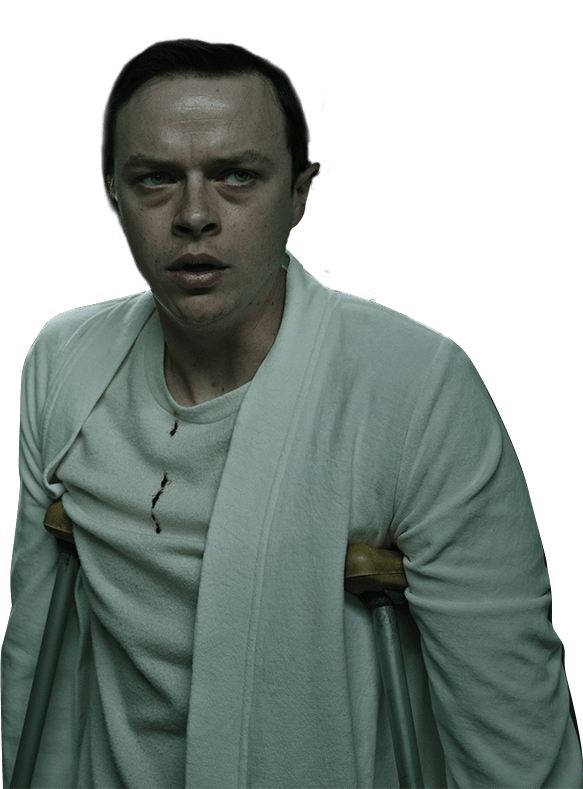
For Lockhart, indications of a darker undercurrent are omnipresent. But isolated from the cutthroat world of Wall Street, he finds himself unexpectedly drawn to the clinic and Volmer's treatment which like any medicine, comes with its share of side effects.
Nosebleeds, dizziness, fainting spells, and loose teeth begin to plague him. Most alarmingly, a series of disturbing hallucinations that incorporate haunting figments of his past haunt his waking hours.
Are these visions merely symptomatic of toxins leaving the mind—as Volmer insists is an essential component of the process of healing? Or are they harbingers of some more diabolical outcome? And what of the debilitating physical symptoms? If the treatment's side effects are more crippling than the symptoms of the disease, is the cure even worth finding?
THE SIDE EFFECTS
Could this paradise which makes its home within a centuries-old castle be as harmless as it appears, or is there something darker looming just beneath the surface?
For Lockhart, indications of a darker undercurrent are omnipresent. But isolated from the cutthroat world of Wall Street, he finds himself unexpectedly drawn to the clinic and Volmer's treatment which like any medicine, comes with its share of side effects.
Nosebleeds, dizziness, fainting spells, and loose teeth begin to plague him. Most alarmingly, a series of disturbing hallucinations that incorporate haunting figments of his past haunt his waking hours.
Are these visions merely symptomatic of toxins leaving the mind—as Volmer insists is an essential component of the process of healing? Or are they harbingers of some more diabolical outcome? And what of the debilitating physical symptoms? If the treatment's side effects are more crippling than the symptoms of the disease, is the cure even worth finding?
THE CURE
The longer Lockhart remains at the clinic, the more he begins to suspect that all may not be as they seem.
Are Volmer and his serene staff of white coated doctors and nurses hiding something more malignant just out of sight? As Lockhart discovers early on, the clinic's well-heeled patients all firmly believe that the answer to their physical and emotional healing lies in Volmer's unusual methods.
But what of the pale young woman (Mia Goth) who aimlessly wanders the grounds, seemingly haunted by unknown specters? What of the strange building tucked back within a grove of trees, where covered bodies are spirited away on stretchers never to be seen again?
Most disturbing of all, what if Volmer's designs on his patients arise not from a desire to help, but an altogether more nefarious impulse? Is there something more sinister underlying the clinic's reputation as a cure all to the plague of modern life?